



Check Out Our Current Issue!
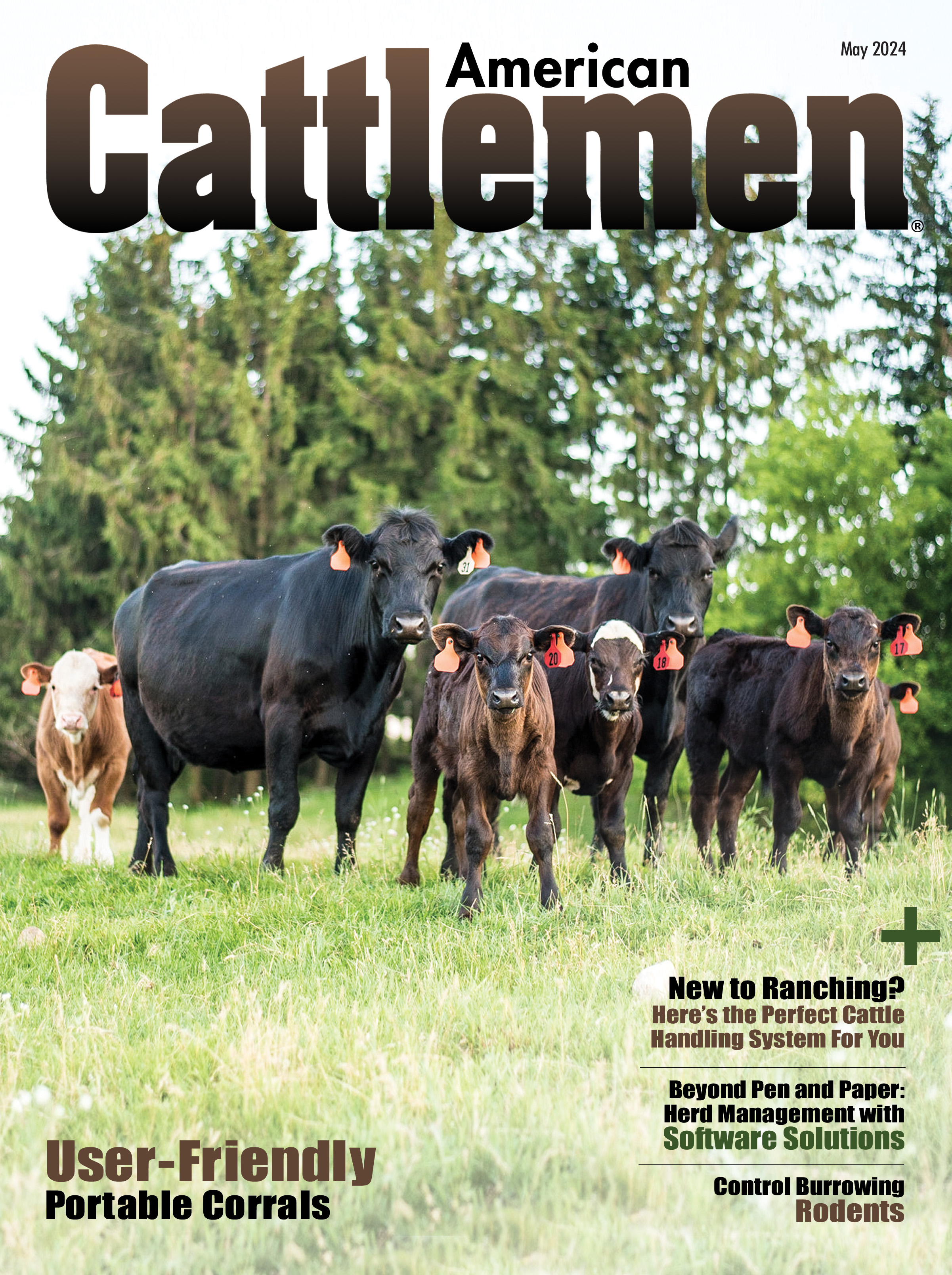
American Cattlemen May 2024
This Issue Brings You:
- Control Burrowing Rodents
- Beyond Pen and Paper: Herd Management with Software Solutions
- User-Friendly Portable Corrals
- New to Ranching? Here’s the Perfect Cattle Handling System for You.
- Maintaining Control with Fly Populations
- Expanding your Opportunities through the American Cattlemen Podcast
Click Here To View This Issue Now!

Nikki Weston named President-Elect of the American National CattleWomen
Nikki Weston named President-Elect of the American National CattleWomen Article and photo courtesy of American National CattleWomen ORLANDO – Utah CattleWoman, Nikki Weston has been named the American National CattleWomen (ANCW) President-Elect. Weston, of Randolph, UT., was named to the position at the 2024 Cattle Industry Convention in Orlando, FL, Jan. 30, 2024. Over the […]
READ MORE
Ruth Coffey named President of the American National CattleWomen
Ruth Coffey named President of the American National CattleWomen Article courtesy of American National CattleWomen ORLANDO – Oklahoma CattleWoman, Ruth Coffey has been named the American National CattleWomen (ANCW) President. Coffey, of Spring, OK., was named to the position at the 2024 Cattle Industry Convention in Orlando, FL, Jan. 30, 2024. Over the next year, […]
READ MORE
NCBA Statement on USDA Final Traceability Rule
NCBA Statement on USDA Final Traceability Rule Article courtesy of National Cattlemen’s Beef Association WASHINGTON (April 26, 2024) – Today, National Cattlemen’s Beef Association (NCBA) President Mark Eisele, a Wyoming rancher, issued the following statement in response to the U.S. Department of Agriculture’s (USDA) final traceability rule: “USDA’s final traceability rule updates the existing requirement […]
READ MORE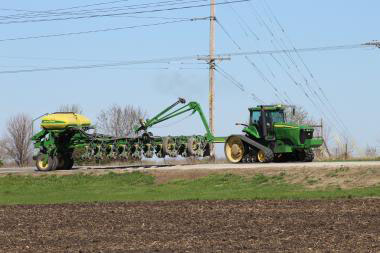
Roadway Safety Tips for Motorists and Farmers during Planting Season
As temperatures rise, rural roadways will soon see an increase in farm equipment AMES, Iowa – Planting season has begun with vigor, and it is crucial for motorists to be aware of safety precautions while sharing the roadways with farm machinery. Steven Freeman, a professor in agricultural and biosystems engineering at Iowa State University, shares […]
READ MORE

Featured Story
Maximize Profitability with Wagyu
Beef Cattle producers are feeling more optimistic. With an El Nino winter forecasted, cattle producers are anticipating a reprieve from multi-year drought conditions. For consecutive years the beef cattle herd has been in decline due to environmental conditions. A March 2023 USDA report shows that since 2022, there has been a 4% decrease in beef cows, 6% decrease in replacement heifers, and 5% decrease in heifers expected to calve this year. According to another published USDA article, the latest cattle inventory peaked in 2019 at 94.8 million and has since plummeted 6% to 89.3 million this year. The rapid decline in beef cattle inventory over the past four years was driven by drought conditions; however Northern states experienced above average rainfall during the 2023 spring and summer months and in the coming months NOAA predicts a wetter-than-average winter in the southeastern United States, allowing calf producers in recovering areas to consider opportunities to rebuild their herd.
Twin Rivers Media
Publisher of American Cattlemen and American Dairymen magazines. Founded over 30 years ago, Twin Rivers Media serves the information and marketing needs of America’s beef and dairy producers.